**What Makes an Influencer CRM Worth Using for Creator Management?**
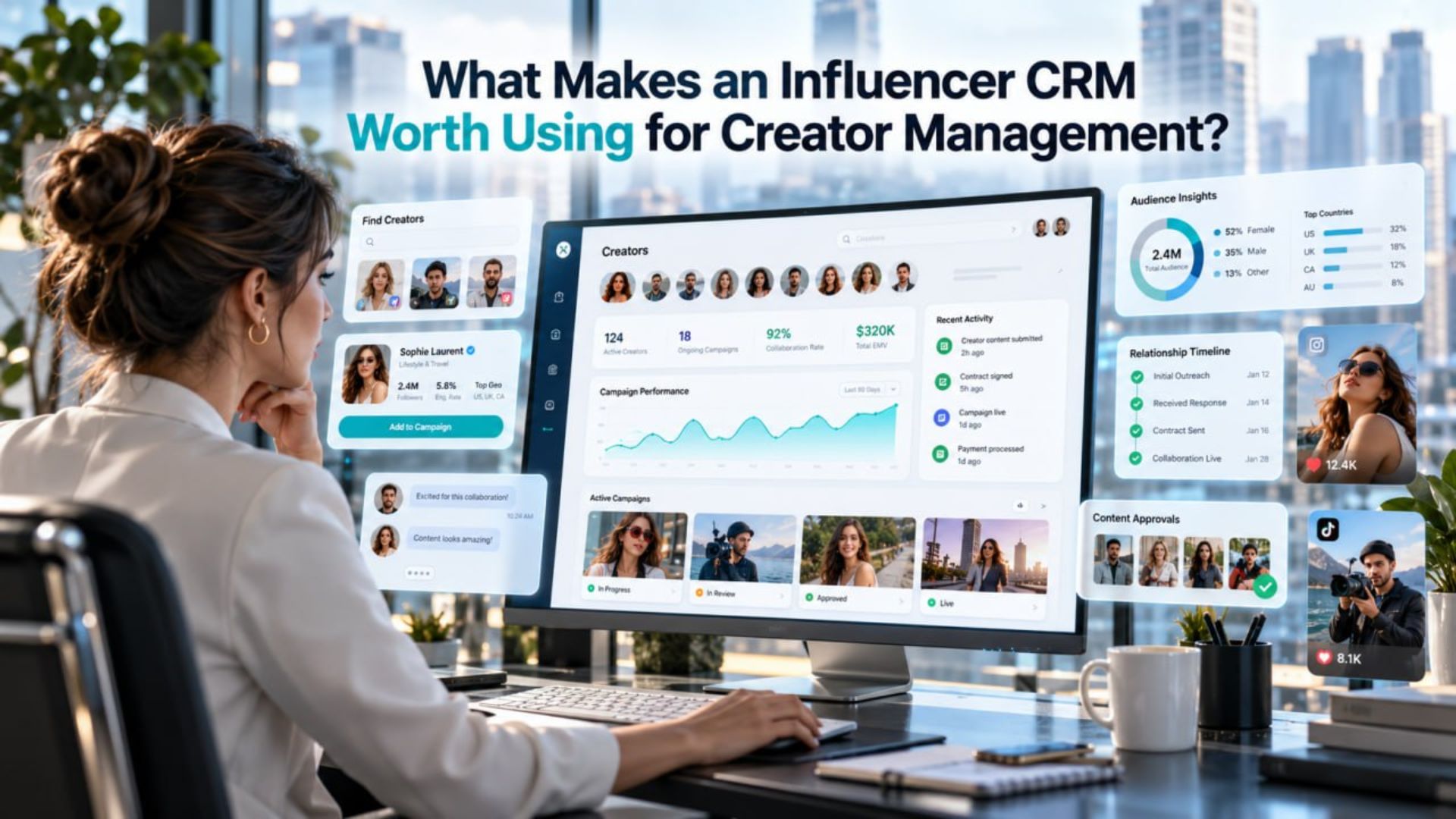
Managing creator partnerships can look simple when a brand works with only a few influencers. But as campaigns increase, conversations spread across email, social platforms, spreadsheets, contracts, and performance reports. So, what helps teams keep everything connected without losing the personal side of creator relationships? An ***[influencer CRM]https://creatorsville.com/influencer-crm-and-creator-database-restaurant-guide-2026/)*** gives marketers a structured way to organize creator information, communication, campaign history, deliverables, and performance in one place. More importantly, it can help teams move beyond one-off collaborations and build relationships based on previous experience. The right system does not replace human judgment; it gives marketers better context for making decisions, following up consistently, and choosing creators who genuinely fit future campaigns.
**What Should Creator Management Actually Include?**
Effective creator management goes far beyond storing names and social media handles. A useful system should provide a clear view of each relationship, including previous collaborations, communication history, agreed rates, deliverables, deadlines, content usage rights, and campaign results.
This context becomes particularly valuable when several team members manage the same creator network. Instead of asking who last contacted a creator or searching through old messages, marketers can understand the relationship from its existing record.
For example, imagine a creator who delivered excellent product demonstrations during a previous campaign but required several deadline reminders. That information should influence the next collaboration. The creator may still be an excellent choice, but the team may need to allow additional production time.
This is where structured information supports better judgment rather than replacing it.
**How Can Brands Organize Creator Relationships More Effectively?**
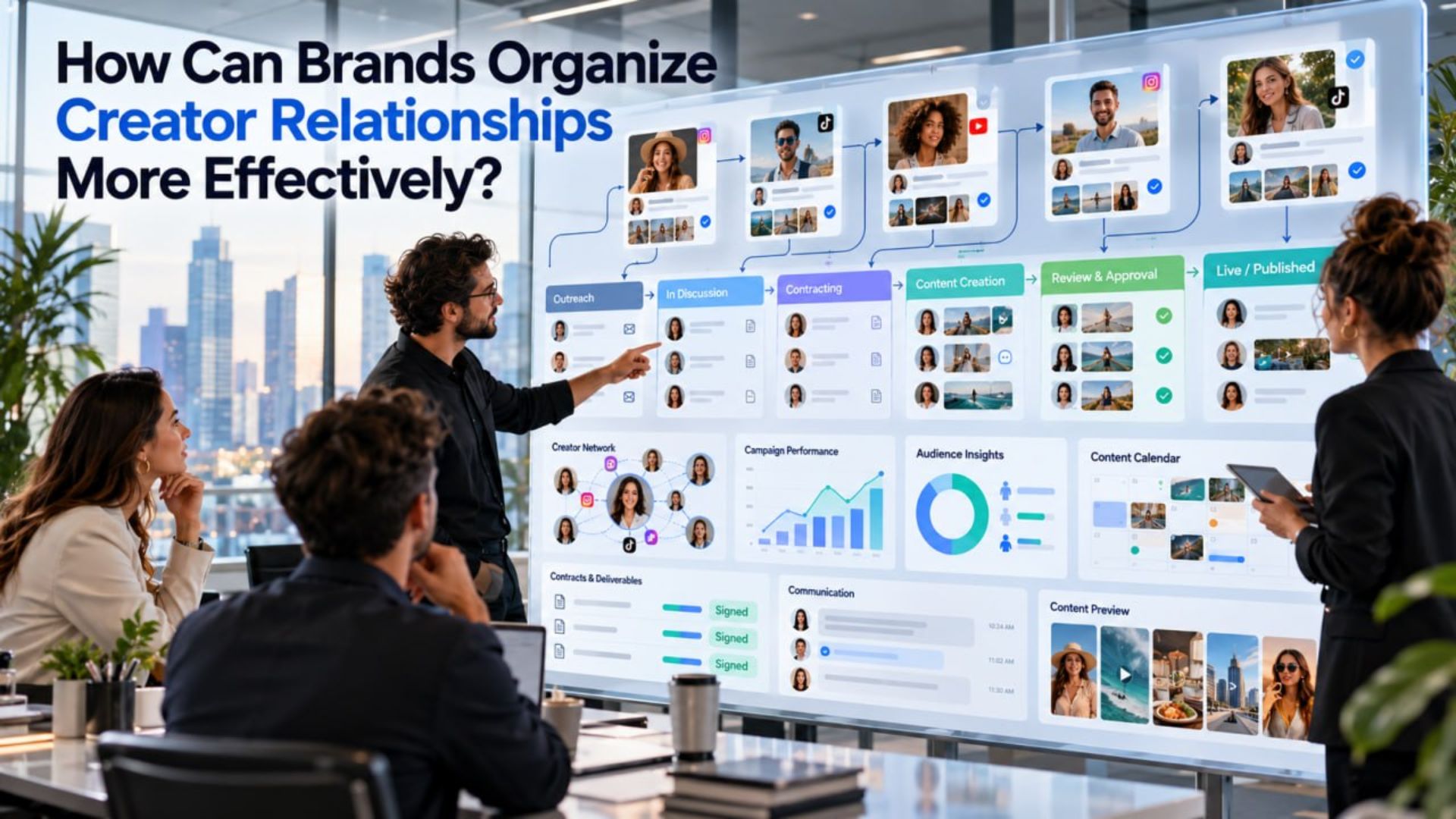
The first step is to create a consistent creator profile. Every important relationship should contain the information a marketer would reasonably need before starting another conversation.
Campaign history is especially useful. A creator's previous results can reveal whether their audience responded to a particular product, format, platform, or message. Communication notes can also show preferences that improve future outreach.
Another practical consideration is relationship status. A team should be able to distinguish between potential creators, contacted creators, active partners, completed collaborations, and relationships worth revisiting later. Clear stages reduce the chance that valuable contacts disappear after a campaign ends.
Personalization also matters. Automated workflows can help with reminders and organization, but creator communication should still reflect the individual. A generic message may save time initially while damaging the relationship later.
**Which Features Matter Most?**
The best platform is not necessarily the one with the longest feature list. It is the one that solves the operational problems a team actually experiences.
**How Important Are Creator Search and Filtering?**
Creator search and ***[Creator Filtering](https://creatorsville.com/creator-filtering/)*** are important when marketers need to evaluate potential partners according to niche, audience characteristics, platform, location, engagement, or campaign requirements. Communication tracking becomes valuable once multiple team members are involved. Campaign records help marketers understand what happened previously, while performance reporting makes it easier to compare outcomes over time.
**How Can Contracts and Deliverables Be Managed?**

Contract and deliverable management can reduce avoidable confusion. Clear records of deadlines, content requirements, approval stages, payment terms, and usage rights give both marketers and creators a stronger working foundation.
**Why Do Integrations Matter?**
If a system cannot connect naturally with the tools a marketing team already uses, employees may continue maintaining separate spreadsheets and documents. That can recreate the very fragmentation the software was supposed to eliminate.
**How Does It Compare With Spreadsheets?**
Spreadsheets can be perfectly reasonable for a small creator program. They are inexpensive, familiar, and flexible. The problem usually appears when the volume of relationships increases.
A spreadsheet may tell a marketer who a creator is, but it may not provide the full history of conversations, follow-ups, campaign stages, approvals, and relationship activity in a convenient workflow.
Dedicated software becomes more useful when multiple campaigns overlap or several people need access to the same information. Instead of simply recording data, the system can connect creator records with workflows and actions.
That does not mean every brand needs sophisticated software immediately. A small team with ten active relationships may manage perfectly well with a carefully maintained spreadsheet. A growing team managing dozens or hundreds of creators will generally benefit more from centralized processes.
You can also watch: ***[Say hello to Creators Ville](https://youtube.com/shorts/MPaaQ-GlR8g?si=x1QC-lMDmVyY3Htk)***
**Conclusion**
An ***[influencer CRM](https://creatorsville.com/influencer-crm-and-creator-database-restaurant-guide-2026/)*** can become valuable when creator management starts becoming too fragmented to handle comfortably with spreadsheets, inboxes, and scattered notes. The strongest approach combines organized data with human relationship-building, giving marketers useful context without turning creator partnerships into purely automated transactions. Start by identifying the workflows that consume the most time, then choose a platform that addresses those specific gaps. Review features, usability, integrations, scalability, and total cost before committing. Start with your current creator workflow, identify what is slowing your team down, and choose technology that makes those relationships easier to manage, not less personal.
**FAQs**
**What is an influencer CRM?**
It organizes creator profiles, communication, campaigns, and deliverables in one place.
**How much does creator management software cost?**
Pricing varies by users, features, campaigns, and integrations.
**How can brands avoid creator-management mistakes?**
Use accurate data, clear expectations, consistent communication, and relevant performance metrics.