**What Helps Brands Get More From Influencer Campaign Management?**
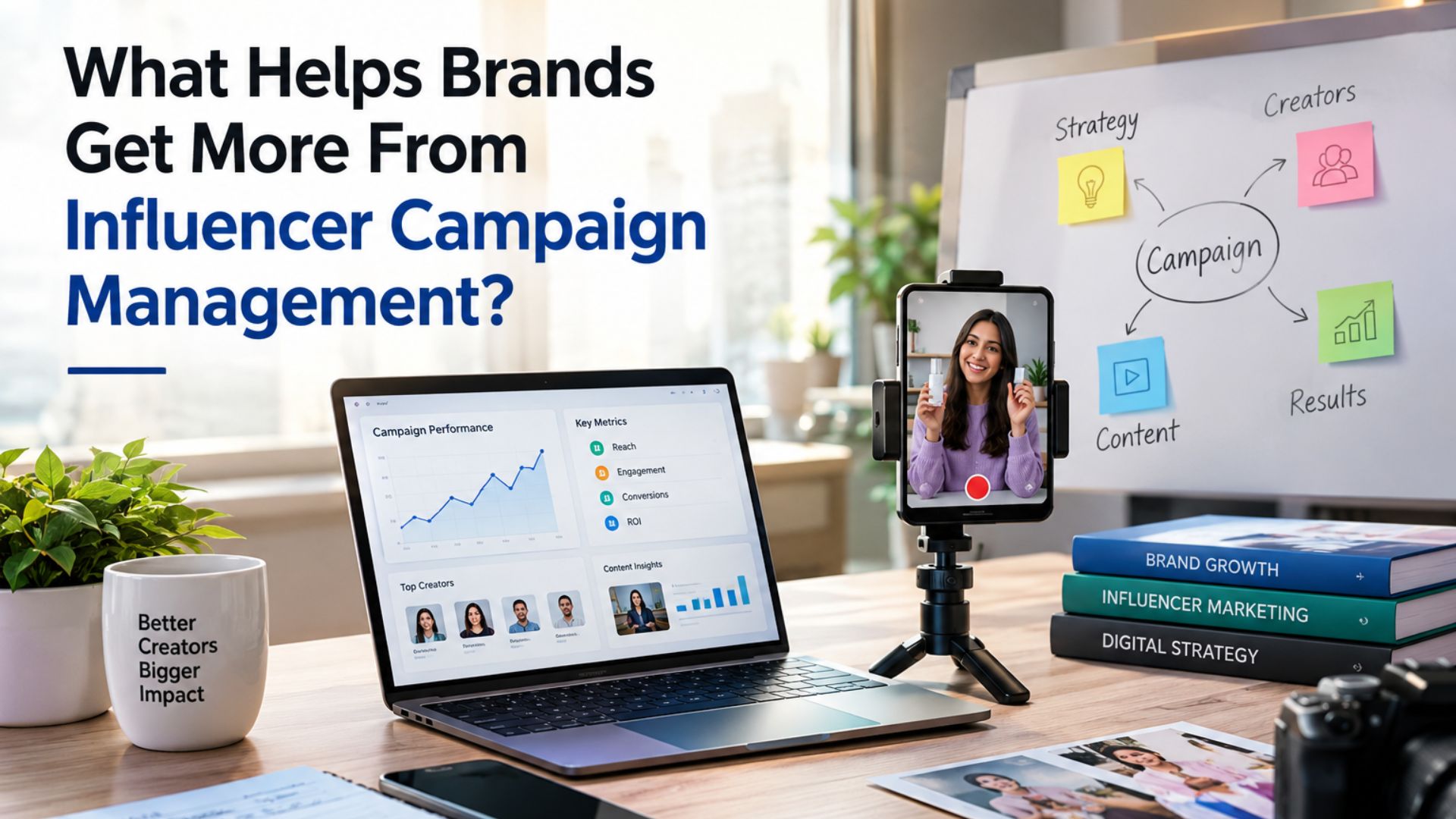
What makes one creator campaign deliver stronger results than another? The difference is rarely just the creator's follower count. Successful campaigns usually depend on careful planning, audience relevance, clear communication, realistic expectations, and consistent measurement. Brands also need a process that connects these activities instead of treating each collaboration as a separate task. ***[Influencer Campaign Management](https://creatorsville.com/influencer-campaign-management-creators-ville-vs-grin/)*** can bring creator research, outreach, campaign coordination, deliverables, and performance analysis into a more structured workflow. When these areas are handled together, marketers can reduce confusion, make better partnership decisions, and build useful knowledge from previous campaigns rather than starting from scratch every time.
**Start With a Specific Campaign Goal**
A strong campaign begins with a clear objective. Before searching for creators, brands should decide what they actually want the campaign to achieve. The goal might involve increasing awareness, generating website traffic, promoting a new product, collecting user-generated content, or driving sales.
This decision affects everything that follows. An awareness campaign may prioritize content reach and audience visibility, while a conversion-focused campaign may require creators with a history of influencing purchasing decisions.
In practice, vague objectives make performance difficult to judge. If a brand simply asks creators to “promote the product,” it may receive plenty of content without knowing whether the campaign produced meaningful business results. Defining success before outreach creates a much stronger foundation.
**Focus on Creator and Audience Relevance**
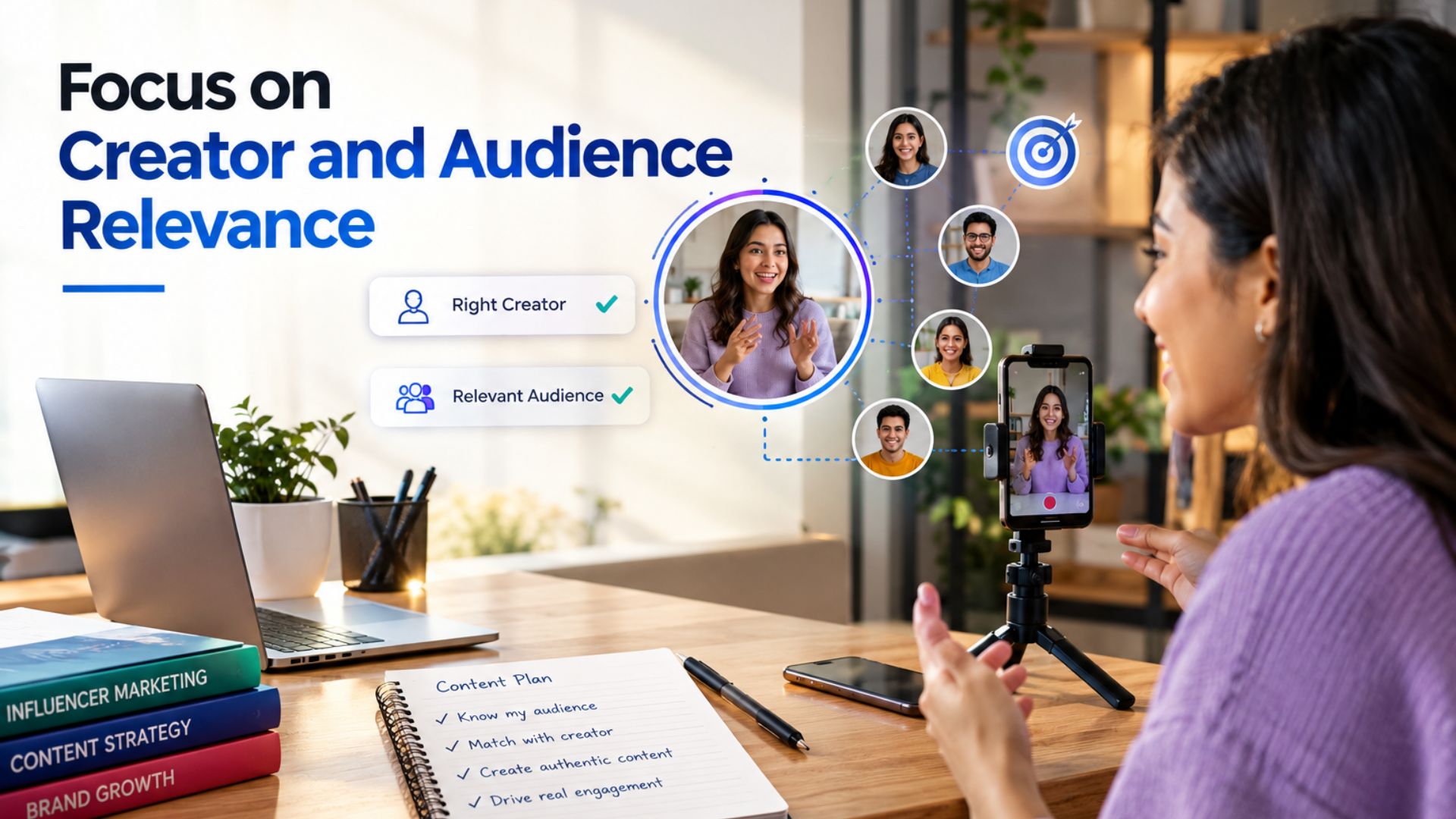
Choosing creators based only on follower count can lead to disappointing results. A large audience does not automatically mean that the creator can reach the people a brand actually wants to influence.
Marketers should examine the creator's niche, content quality, audience characteristics, engagement patterns, platform, location, and previous brand partnerships. The creator's communication style also matters because promotional content tends to perform better when it feels natural to the creator's existing audience.
For example, a fitness brand may receive better results from a smaller creator who regularly discusses workout routines and nutrition than from a much larger general lifestyle creator. Relevance creates context, and context can make a recommendation more credible.
**Keep Communication Organized**
Creator relationships often involve several conversations, approvals, revisions, deadlines, contracts, and follow-ups. When information is scattered across different platforms, important details can easily be overlooked.
A structured workflow should make it easy to understand where each partnership stands. Marketers should be able to identify whether a creator has been contacted, whether terms have been agreed upon, which deliverables are pending, and when content needs approval. This also supports ***[influencer selection](https://creatorsville.com/influencer-selection/)*** by keeping relevant creator information organized for easier evaluation.
Clear communication also benefits creators. Expectations around content format, timelines, brand guidelines, disclosure requirements, revisions, and compensation should be established before work begins. This reduces unnecessary back-and-forth and helps both parties work with greater confidence.
**Track Deliverables, Not Just Likes**
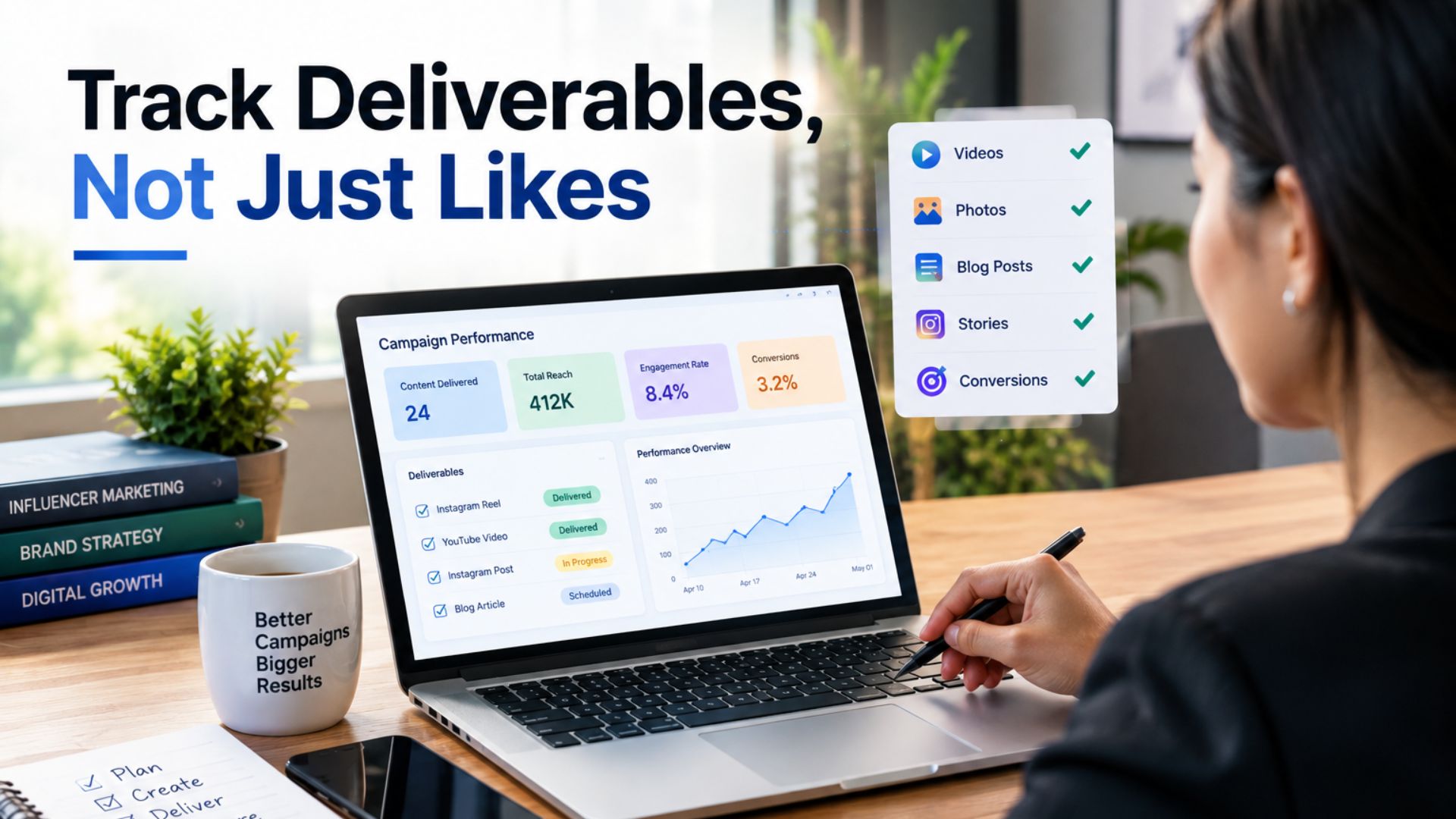
Campaign measurement should go beyond surface-level engagement. Likes and comments can provide useful signals, but they do not always demonstrate whether a campaign achieved its business objective.
Depending on the campaign, marketers may need to monitor reach, engagement rate, clicks, conversions, sales, content completion, cost per result, or traffic quality. The right metrics should be connected to the original goal.
Suppose a campaign is designed to generate website visits. A creator receiving thousands of likes but producing very little relevant traffic may be less valuable than a creator with a smaller audience that generates consistent qualified visitors.
Performance should therefore be interpreted in context rather than judged by a single headline number.
**Understand the Full Cost of a Campaign**
Creator pricing is only one part of campaign cost. Brands may also need to consider content production, product samples, shipping, usage rights, exclusivity, revisions, paid amplification, and internal management time.
Comparing creators only by their quoted fees can produce misleading conclusions. A lower-cost partnership may require extensive coordination or generate weak results, while a higher-fee creator could provide stronger content and better audience alignment.
Before agreeing to terms, brands should clarify exactly what compensation includes. Written agreements can define deliverables, timelines, usage rights, payment conditions, cancellation terms, and revision expectations. This creates greater transparency and helps prevent unexpected costs later.
You can also watch: ***[Say hello to Creators Ville](https://youtube.com/shorts/MPaaQ-GlR8g?si=x1QC-lMDmVyY3Htk)***
**Conclusion**
***[Influencer Campaign Management](https://creatorsville.com/influencer-campaign-management-creators-ville-vs-grin/)*** can help brands turn creator partnerships into a more organized and measurable marketing activity. The biggest gains usually come from choosing relevant creators, defining clear objectives, setting expectations early, tracking meaningful results, and learning from previous campaigns. Brands should avoid treating follower count or engagement as the only measures of success. Instead, they should consider audience fit, content quality, reliability, cost, and business outcomes together. Start by reviewing your current creator workflow and identify one area where better organization or measurement could make the next campaign more effective.
**FAQs**
**What is the best way to manage an influencer campaign?**
Set clear goals, choose relevant creators, define deliverables, and track results.
**How much does influencer campaign management cost?**
Costs depend on creator fees, campaign size, content, platforms, and usage rights.
**What mistakes should brands avoid when managing creator campaigns?**
Avoid poor creator fit, unclear expectations, and relying only on follower count or likes.