Can Social Calorie Tracking Reduce the Isolation of Dieting?
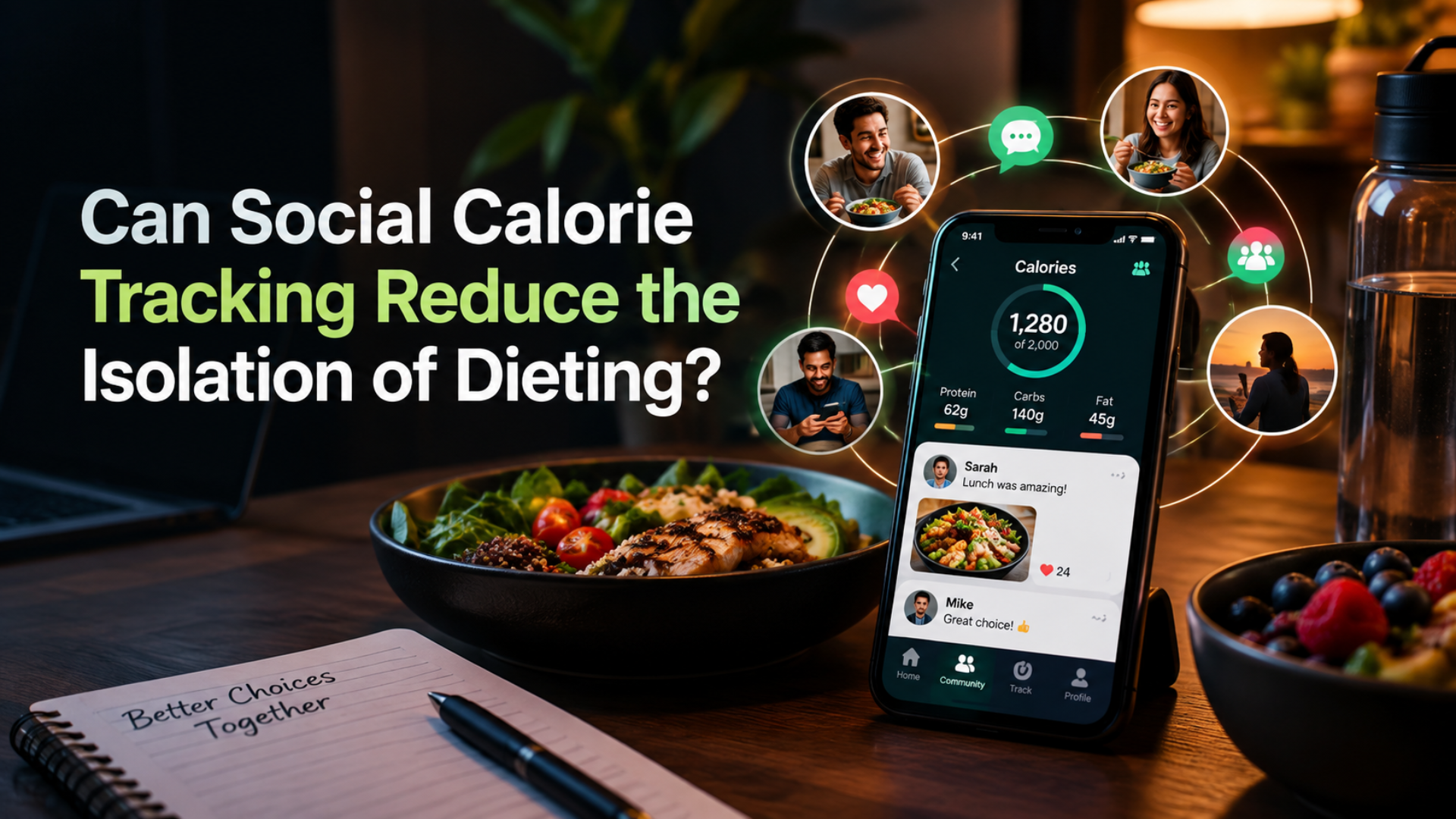
Dieting can sometimes feel like a private task. People may plan meals, monitor portions, adjust food choices, and work toward personal goals without anyone around them understanding the small decisions involved. Although individual commitment matters, feeling connected to others can make healthy lifestyle changes feel less lonely. Sharing experiences, discussing meals, and exchanging encouragement can create a sense of community around everyday nutrition. This social connection may help people feel that they are not facing every challenge by themselves.
The growing interest in ***[social calorie tracking](https://calorietrackerbuddy.com/blog/social-calorie-tracking-with-meal-sharing-2026-guide/)*** reflects this shift toward making nutrition more interactive. Instead of keeping every food-related activity completely private, people can share selected meal experiences, discuss routines, and encourage one another. This approach does not mean that everyone needs to reveal personal calorie totals or follow the same eating plan. Rather, it creates opportunities for supportive conversations that can make the process feel more connected to ordinary life.
Why Dieting Can Feel Isolating
Dieting often involves personal decisions that others may not immediately notice. Someone might prepare a different breakfast, choose a lighter lunch, or decline a particular snack because it does not fit their current routine. When these choices happen repeatedly without social support, the person may feel separated from friends or family members who have different habits.
That feeling can become stronger when meals are usually social occasions. Eating together is an important part of many relationships, so changing food habits can sometimes create a sense of being different. A supportive environment can make this transition easier by allowing people to discuss their experiences without turning every conversation into a comparison.
How Shared Experiences Can Create Connection
Sharing everyday meals can provide a simple way for people to connect. A person might post a balanced breakfast, describe a convenient lunch, or talk about a recipe that worked well during a busy day. These conversations can create opportunities for others to respond with ideas, encouragement, or their own experiences.
The value comes from meaningful interaction, not competition. Seeing someone else’s meal can offer useful ***[Nutrition Tips](https://calorietrackerbuddy.com/blog/nutrition-tips-for-gamers-and-professionals/)*** and practical ideas without encouraging people to copy the same choices. It also shows that healthy habits can vary based on individual needs, preferences, and routines. This flexible approach makes food conversations more positive, supportive, and welcoming.
Encouragement Can Make Healthy Habits Feel More Manageable
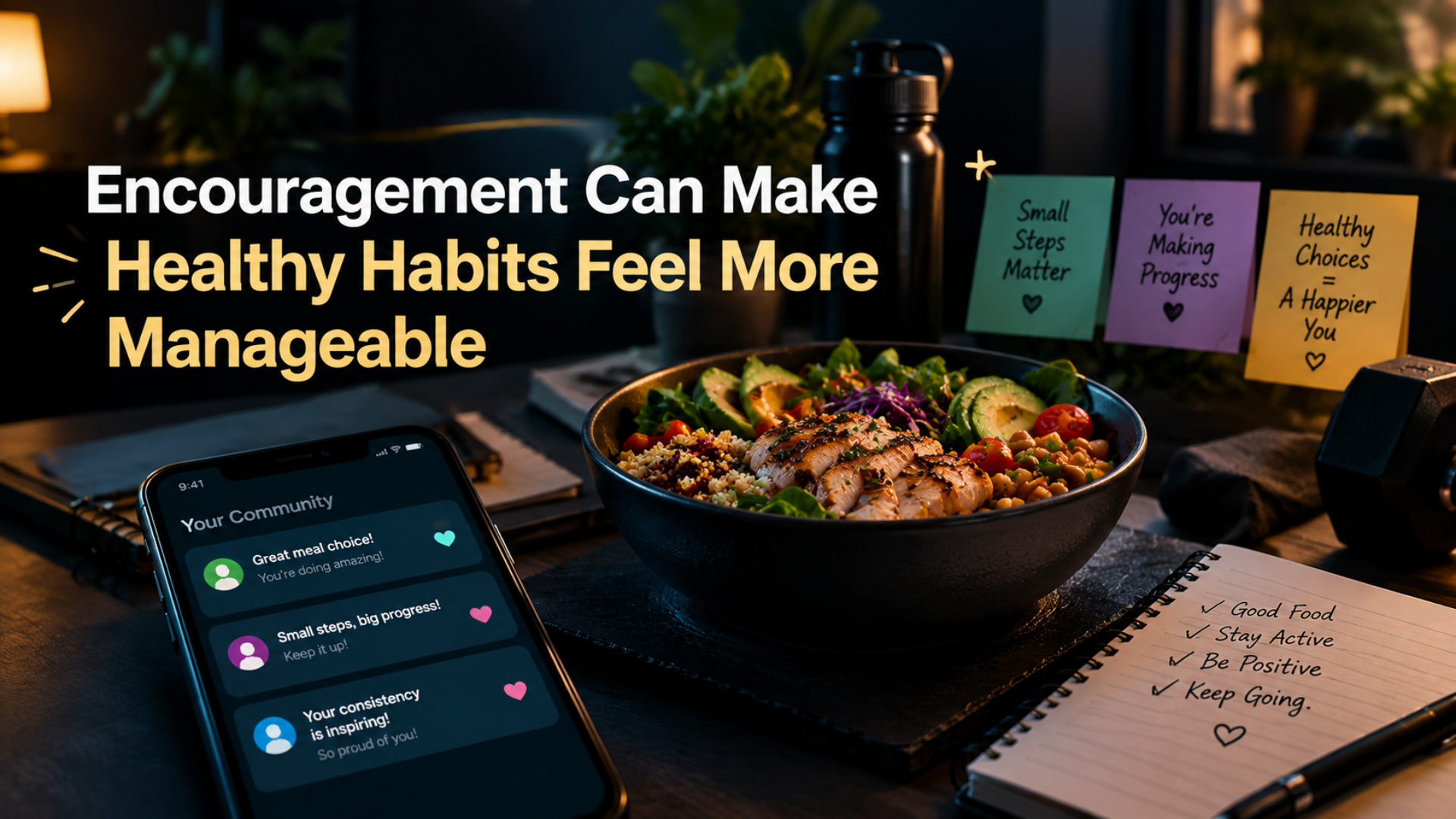
Motivation can rise and fall throughout a dietary journey. When progress feels slow or daily responsibilities become stressful, positive encouragement can help people stay focused on sustainable habits. Choosing a ***[healthy meal](https://medium.com/@calbuddy5/what-are-the-key-benefits-of-choosing-a-healthy-meal-5d9342d3f66c)***, celebrating small improvements, and maintaining realistic expectations can make healthy routines easier to follow over time.
Encouragement can also shift attention toward effort. Complimenting someone for preparing a nutritious meal or maintaining a consistent routine recognizes the process behind a goal. Such conversations can feel more supportive than focusing only on numbers or outcomes.
Creating a Healthier Social Environment
A useful food community should recognize that nutritional needs differ. Age, activity levels, preferences, schedules, cultural habits, and individual goals can all influence what works for a person. Because of these differences, shared tracking should encourage learning and support rather than pressure.
Privacy is equally important. People should have control over what they share and should never feel required to disclose personal information. When individuals can participate at a comfortable level, conversations about food may become more relaxed and constructive. This can help transform tracking from a solitary responsibility into an optional social experience.
To Know More Click On - ***[Calorie Tracker Buddy is LIVE | Your Virtual Health Pet |](https://youtu.be/lHPLRjJOYdQ?si=wCxqYD03fDqTbAOh)***
Summary
Dieting does not have to be an entirely private experience. Supportive conversations can provide connection, practical ideas, and encouragement while allowing each person to maintain their own goals and preferences. ***[social calorie tracking](https://calorietrackerbuddy.com/blog/social-calorie-tracking-with-meal-sharing-2026-guide/)*** can contribute to this experience when it focuses on shared meals, positive communication, and personal choice rather than comparison. Ultimately, the social side of nutrition is most useful when it helps people feel understood, encouraged, and comfortable with their individual journey.
FAQs
Can sharing meals make dieting feel less lonely?
Yes. Sharing meal experiences can create opportunities for encouragement, conversation, and practical ideas, which may help people feel more connected.
Does social tracking require sharing calorie totals?
No. People can choose what they are comfortable sharing. Meal ideas, recipes, routines, or general experiences can provide social interaction without revealing private information.
Can everyone follow the same nutrition approach?
Not necessarily. Nutritional needs and preferences vary, so a supportive approach should allow individuals to make choices that suit their own circumstances.