What Are the Benefits of Booking an Online Doctor Appointment?
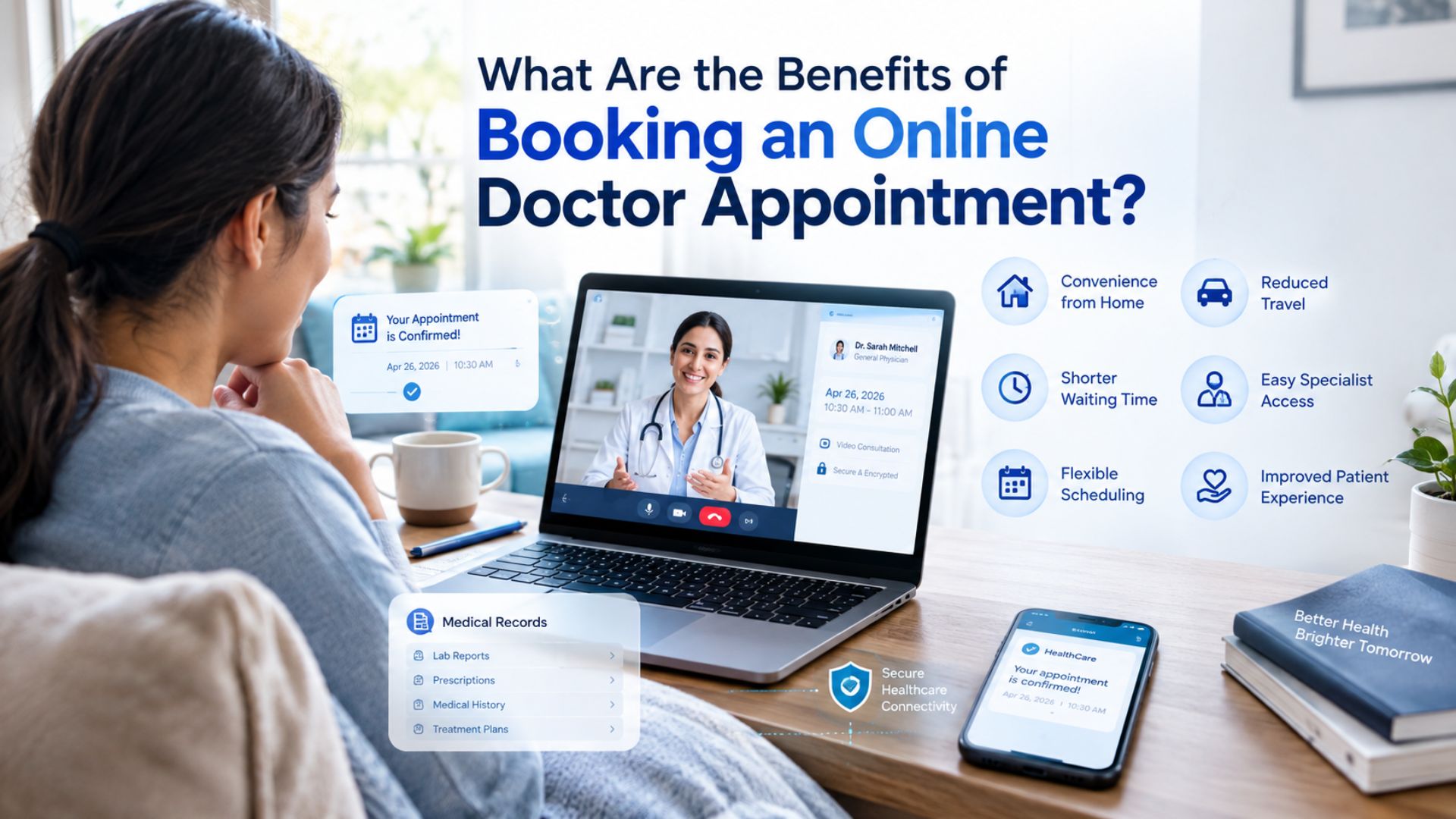
Healthcare is becoming more convenient as digital technology changes how patients connect with medical professionals. One of the most practical developments is the online doctor appointment, which allows patients to consult with eligible healthcare providers through video calls, phone calls, secure messaging, or other digital platforms. Telehealth can help patients receive appropriate care without always needing to travel to a clinic or hospital.
But what makes online appointments valuable? From saving travel time to improving access to healthcare professionals, online consultations can offer several advantages for patients and providers.
What Is an Online Doctor Appointment?
An ***[online doctor appointment](https://medcore.software/blog/online-doctor-appointment-platforms/)*** is a healthcare consultation conducted remotely using digital technology. Instead of visiting a medical facility physically, patients can connect with a healthcare professional using a smartphone, tablet, or computer.
Depending on the provider and type of care, an appointment may involve a live video consultation, phone conversation, secure messaging, or sharing medical information digitally.
Online appointments are commonly used for suitable primary care consultations, follow-up visits, medication discussions, mental and behavioral healthcare, chronic condition management, and reviewing certain test results.
What Are the Benefits of Booking an Online Doctor Appointment?
1. Saves Time and Travel
One of the biggest advantages is convenience. Patients do not always need to travel to a clinic, find transportation, or spend time sitting in a waiting room.
An online consultation can allow eligible patients to speak with their healthcare provider from home or another suitable private location. This can be particularly helpful for people with busy schedules, mobility challenges, or transportation difficulties.
2. Improves Access to Healthcare
Online appointments can make healthcare more accessible, especially for people who live far from medical facilities or have limited access to certain specialists.
Virtual care can connect patients with providers who may be located outside their immediate area, potentially giving them more choices when seeking appropriate healthcare services.
3. Makes Healthcare More Convenient
Patients can attend suitable virtual appointments without significantly disrupting their daily routines. This can make it easier to fit healthcare into work, education, family, and other responsibilities.
For routine consultations and follow-ups that do not require a physical examination, online appointments can provide a practical alternative to an in-person visit.
4. Can Provide Faster Access to Care
Some online healthcare services offer on-demand or relatively quick virtual consultations. This can help patients connect with healthcare professionals sooner when an online consultation is appropriate.
Healthcare providers can also use virtual appointments to assess a patient's situation and determine whether additional in-person care is necessary.
5. Supports Follow-Up Care
Online appointments can be particularly useful after an initial consultation, procedure, or treatment. A healthcare professional may use a virtual visit to discuss recovery, review certain results, answer questions, or determine whether further care is required.
This can reduce unnecessary trips to a healthcare facility while helping patients remain connected with their care team.
6. Helps Manage Certain Chronic Conditions
Patients managing ongoing conditions may benefit from regular virtual communication with their healthcare providers. Depending on the condition and available technology, patients can share health information such as blood pressure, blood glucose, weight, or other measurements.
Remote monitoring combined with virtual consultations can help providers follow a patient's progress between in-person visits.
7. Supports Mental and Behavioral Healthcare
Virtual appointments can also make behavioral healthcare more accessible. Depending on the provider, patients may receive counseling, therapy, medication management, or other appropriate mental health services remotely.
For some patients, communicating with a provider from a familiar private environment may make accessing care more convenient.
8. Helps Connect Patients With Specialists
Geography can sometimes make it difficult to access specialized healthcare. Virtual appointments can allow eligible patients to communicate with specialists who may be located farther away.
This can be especially valuable for patients who live in rural or underserved areas and would otherwise need to travel significant distances for certain consultations.
9. Supports Better Continuity of Care
Healthcare often involves more than one appointment. Patients may need regular check-ins, medication reviews, monitoring, or follow-up discussions.
Online appointments can provide another way to maintain communication with healthcare professionals between physical visits. Hybrid care, which combines virtual and in-person appointments, can give patients and providers greater flexibility based on the patient's healthcare needs.
When Should You Choose an Online Doctor Appointment?
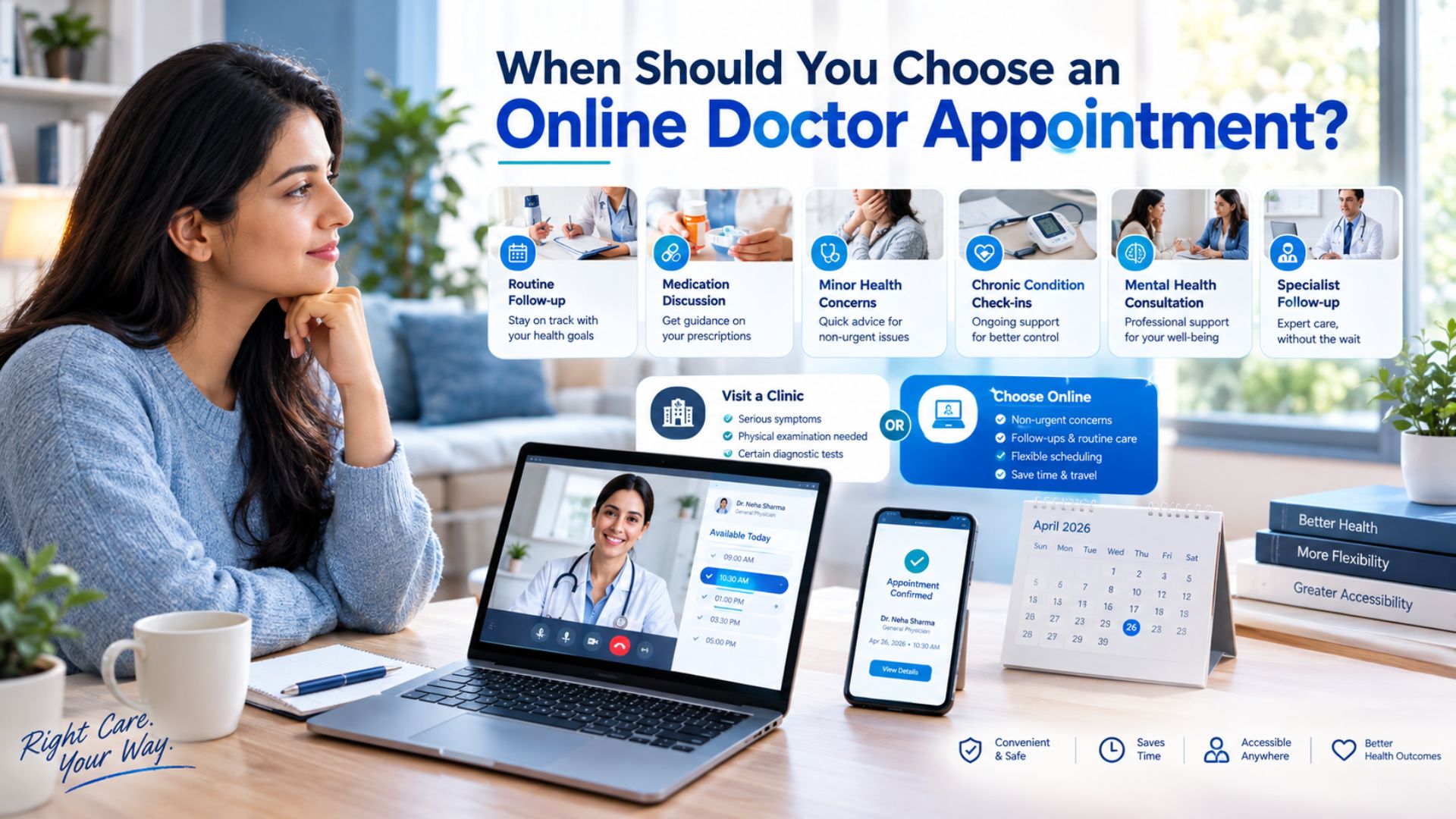
An online appointment may be suitable when the healthcare concern can be appropriately assessed remotely. Common examples can include routine follow-ups, medication discussions, certain minor illnesses, mental health services, chronic condition management, reviewing some test results, and nutritional care.
However, virtual care is not appropriate for every medical situation. Some conditions require a physical examination, diagnostic testing, procedures, or emergency treatment. Patients should follow their healthcare provider's guidance about whether virtual or in-person care is appropriate.
What Do You Need for an Online Doctor Appointment?
Most video-based online appointments require a reliable internet or cellular connection and a device such as a smartphone, tablet, or computer with a camera and microphone.
Patients should also choose a quiet and private location where they can communicate comfortably with their healthcare provider.
Before the appointment, it can be useful to have relevant medication information, previous medical records, questions, and health measurements available if requested by the provider.
You can also watch: Everyone is working, but the system is not connected.
Conclusion
Booking an ***[online doctor appointment](https://medcore.software/blog/online-doctor-appointment-platforms/)*** can make suitable healthcare services more accessible, convenient, and flexible. Patients may save travel time, connect with providers more easily, access specialists from farther away, and maintain continuity of care through virtual follow-ups.
As healthcare continues to adopt digital technologies, online appointments can serve as an important part of a broader care model. The key is choosing virtual care when it is clinically appropriate and combining it with in-person care when a physical examination or other direct medical service is needed.
FAQs About Online Doctor Appointments
1. What is an online doctor appointment?
An online doctor appointment is a remote healthcare consultation that allows patients to communicate with a healthcare provider through video, phone, secure messaging, or another digital platform.
2. Are online doctor appointments convenient?
Yes. Online appointments can reduce travel and waiting time and allow eligible patients to consult healthcare providers from a suitable location.
3. What conditions can be treated through an online appointment?
Depending on the provider, virtual appointments may support primary care, follow-up care, mental healthcare, medication management, chronic condition monitoring, certain minor illnesses, and other suitable services.
4. Can I consult a specialist online?
Yes, some specialists provide virtual consultations. Online healthcare can expand access to providers who may be located farther away from the patient's location.